
New fees, fines for Cape Coral short-term rentals go into effect
- Feb 10, 2026 | Jennifer Sokolowsky
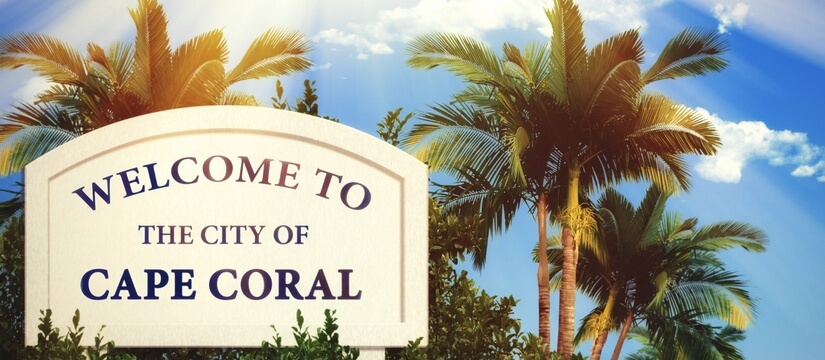
Short-term rental (STR) operators in Cape Coral, Florida, face new fees for registration and penalties for noncompliance under rules that went into effect January 1, 2026.
The regulations require operators of STRs — defined as residential rental properties leased or rented for a period of six months or less — to register every year with the City Clerk’s Department for a $350 fee. Owners with more than one property may register all units under a single registration and fee.
The law also updates enforcement. Violations include failing to register, late annual renewal submission, and registering as a long-term rental but operating as a short-term rental. Breaking the rules can result in fines of up to $1,000 for the first offense and $2,000 for repeat offenses.
The city fined an STR owner more than $30,000 in 2025 for breaking STR rules at three properties. The property owners offered rentals for fewer than the seven days required by local law, and neighbors had complained about disruption, an issue that’s been brewing for years. The city fined the operator $1,500 per day for repeat violations of the seven-day minimum stay rule.
Cape Coral isn’t alone among Florida communities in focusing on enforcement. Local governments are paying more attention to STRs, including updating regulations and increasing fees and fines.
Fort Myers Beach, for example, is cracking down on STR violations. Fort Myers STR operators are required to register with the town for a $300 fee and their properties must undergo a fire inspection. The town is using new software that helped it identify more than 500 active rental listings that aren’t following the rules. STR operators in violation are being sent warning letters that give them 15 days to register or face fines of up to $500.
Florida state law restricts the power of local governments to regulate STRs, but local governments have some leeway. The state law restricting local authority over vacation rentals was originally passed in 2011, and local short-term rental laws passed before June 1, 2011, are still valid. In 2014, the state legislature passed another law that allowed local governments more powers to regulate STRs in areas such as parking, garbage collection, and noise
Cape Coral short-term rental hosts responsible for lodging taxes
STR operators in Cape Coral are required to charge Lee County tourist development tax to guests on stays of six months or less. Airbnb and Vrbo collect Lee County lodging taxes for their listings when payment is made.
All Florida STR operators are also required to comply with state lodging tax requirements, including obtaining a state business license, registering for a state tax certificate, and collecting and remitting state-administered lodging taxes when they receive payments directly from guests. STR marketplaces Airbnb and Vrbo collect and remit state lodging taxes on behalf of their Florida listings.
Streamline Florida lodging tax compliance
Avalara MyLodgeTax can help STR hosts automate and simplify lodging tax compliance on the local and state level, including tax registration and filing. For more on vacation rental lodging taxes in Florida, see our state vacation rental tax guide. If you have tax questions related to vacation rental properties, drop us a line and we’ll get back to you with answers.