
|
In many mandate-driven markets |
In the U.S. |
|---|---|
|
E-invoicing is driven by tax authority rules |
E-invoicing is driven by business value |
|
Businesses may need to clear invoices through government systems |
Businesses exchange structured invoice data through participating networks |
|
Deadlines are tied to individual country mandates |
Timing may depend on customer, supplier, or network participation |
|
Focus is on improving tax visibility and control |
Focus is on driving automation and efficiency |

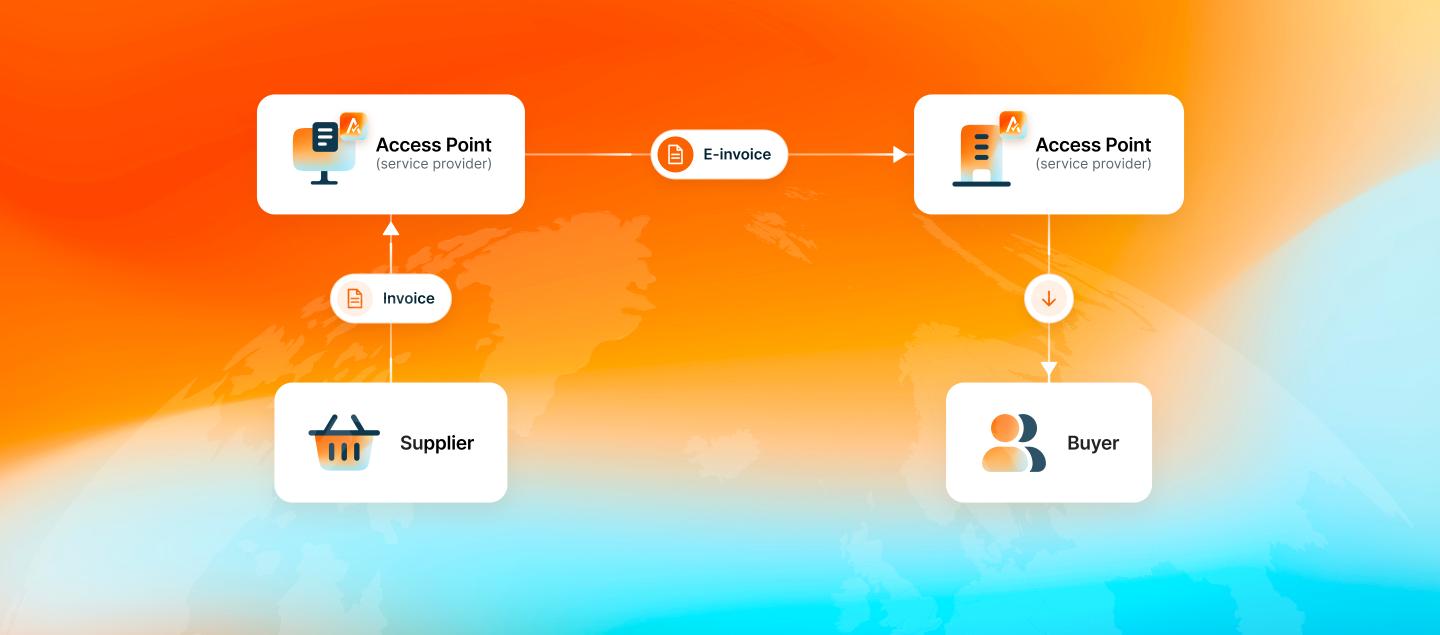
The Digital Business Networks Alliance, or DBNAlliance, is a consortium of businesses that supports a digital invoice exchange in the United States. It is designed to help businesses send and receive structured invoice data through participating service providers and networks.
E-invoicing is the exchange of invoice data in a structured electronic format. It is different from sending a PDF by email because the invoice data can be processed directly by business systems.
The United States does not currently have a broad federal e-invoicing mandate like some countries do. However, digital invoice exchange is gaining momentum as businesses look to improve automation, efficiency, and trading partner connectivity.
Peppol is not the primary framework for U.S. e-invoicing. The U.S. approach is centered on digital business networks, interoperability, and exchange among participating service providers.
Many country mandates are driven by tax authority reporting, clearance, or validation requirements. In the United States, adoption is currently driven more by business value, network participation, and the need for more efficient invoice exchange.
Preparing now can help businesses reduce manual invoice work, improve visibility, and strengthen trading partner connectivity. It can also help companies build capabilities they may need as global e-invoicing and live reporting requirements expand.