Ecommerce businesses see countless benefits from global marketplaces like Amazon and eBay: They allow sellers to reach new customers, expand into new geographical regions, and maximize exposure for companies that may not have the marketing or advertising budgets to do so themselves.
However, selling across international borders can create headaches for companies that have to navigate complex customs duties and maintain import tax compliance. Any error can be costly if it results in late shipments or unexpected fees for buyers, which can erode consumer confidence and loyalty. Not getting this right could eventually spell disaster for businesses if left unchecked.
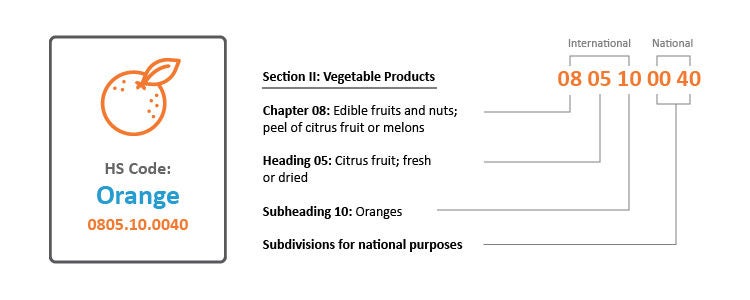
Luckily, the Harmonized System (HS) was conceived with these hurdles in mind. Most recently updated in 2017, HS codes create a “universal economic language and code for goods.”
These six-digit codes assigned to every physical good simplify Cross-Border shipping by providing international uniformity for businesses and customs departments alike. However, the complexity increases because each country then adds its own suffix to complete a code of 10–12 digits that corresponds to the country-specific duty rate for an item. With the applicable extended tariff code, businesses can declare and send items across international borders and international customs agencies can quickly decipher what products they’re receiving and where they’re coming from to get products in the hands of consumers faster.